Latest AI Trends & Breakthroughs in 2025

Explore the cutting-edge artificial intelligence innovations that are reshaping our world and creating new possibilities for businesses and society.

The Current AI Landscape

In 2025, artificial intelligence has evolved beyond simple automation to become a transformative force across industries and society.
AI Transforming Industries

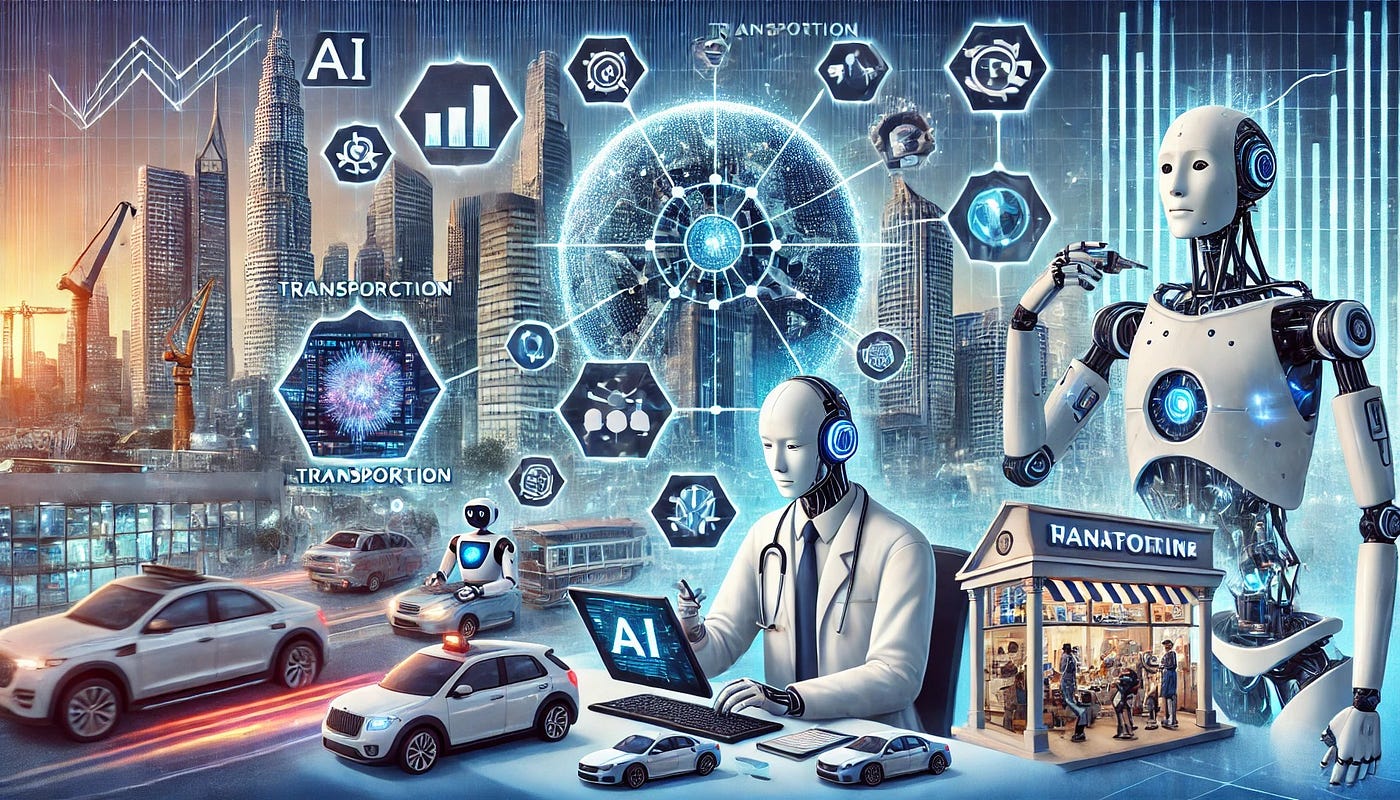
The artificial intelligence landscape of 2025 is characterized by remarkable advancements that have pushed the boundaries of what AI can achieve. We've moved beyond the initial excitement and hype to a phase where organizations are focused on securing clear returns on investment from AI technologies.

Today's AI systems demonstrate unprecedented capabilities in reasoning, creativity, and autonomous action. They're no longer limited to narrow, specific tasks but can tackle complex problems with human-like thinking processes while operating independently.

This evolution has been driven by several key factors:

  • Exponential growth in computing power and specialized AI hardware
  • Vast improvements in machine learning algorithms and architectures
  • The availability of massive datasets for training
  • Increased focus on practical applications and business value

As we explore the latest AI trends and breakthroughs, we'll see how these advancements are creating new possibilities for businesses, researchers, and society as a whole.
AI Reasoning & Agentic AI

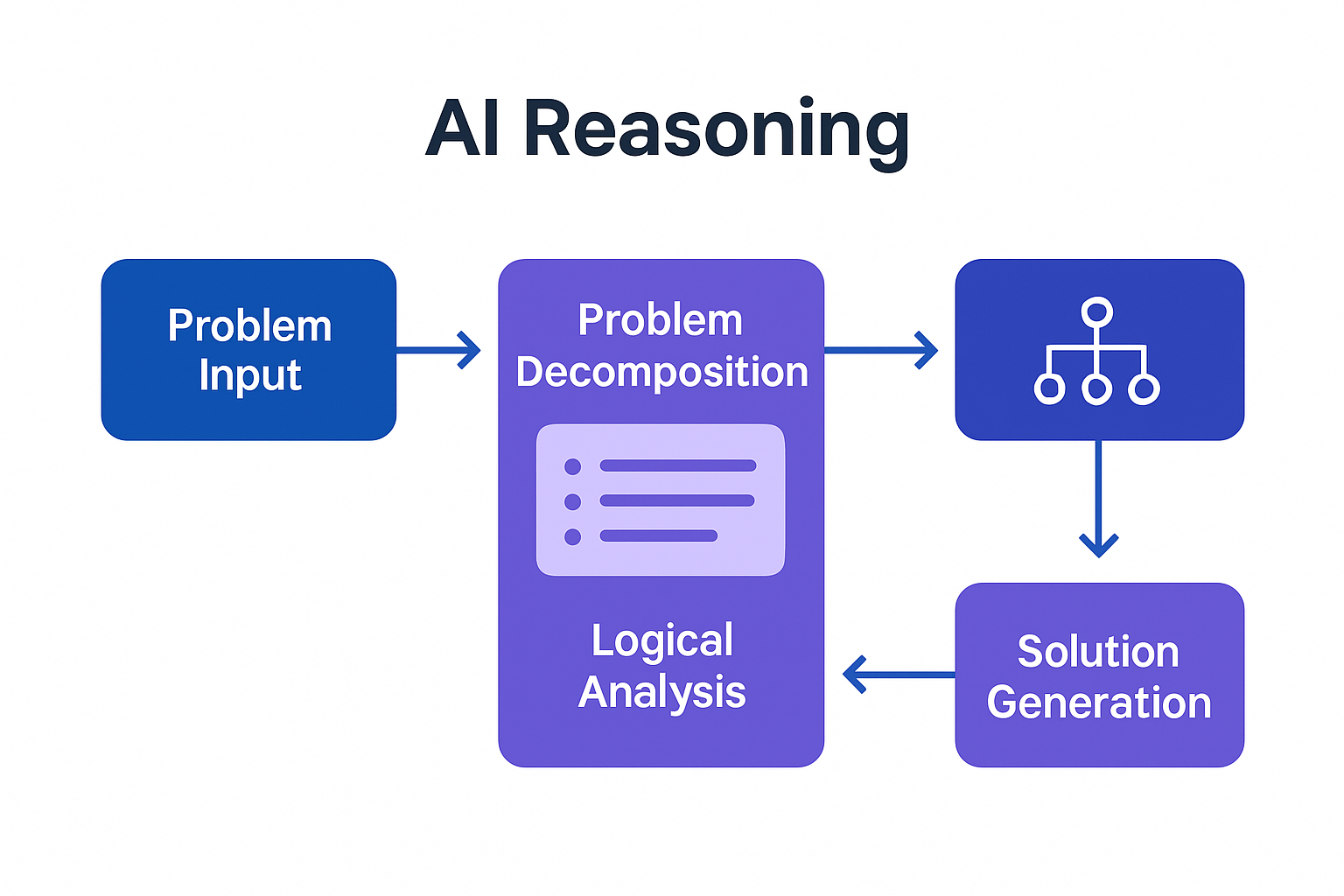
Advanced AI models now break down complex problems into simpler ones, using logical steps similar to human thinking.

AI Reasoning Process Diagram

The Evolution of AI Reasoning

AI reasoning represents one of the most significant breakthroughs in artificial intelligence in recent years. Unlike traditional AI systems that rely primarily on pattern recognition, modern AI reasoning models can break down complex problems into simpler components and solve them through logical steps, similar to human thinking processes.

This capability is exemplified by models like OpenAI's o1, which demonstrates advanced reasoning abilities that allow it to tackle complex mathematical problems, logical puzzles, and nuanced decision-making scenarios with remarkable accuracy.

Agentic AI: The Rise of Autonomous Systems

Building on these reasoning capabilities, agentic AI represents the next frontier in artificial intelligence. These systems can work autonomously, taking actions without human prompts and making decisions based on their understanding of goals and contexts.

For example, CrowdStrike's Charlotte AI demonstrates autonomous reasoning and action on security data, identifying threats and responding to them without human intervention. Similarly, AI agents are emerging as "the apps of the AI era," handling tasks on behalf of users from scheduling meetings to managing complex workflows.

The implications of these advancements are profound, enabling AI to move beyond being merely responsive tools to becoming proactive partners in problem-solving and decision-making across industries.

Generative AI Advancements

From expanding video clips to creating interactive environments, generative AI is pushing boundaries with improved multimodal capabilities.

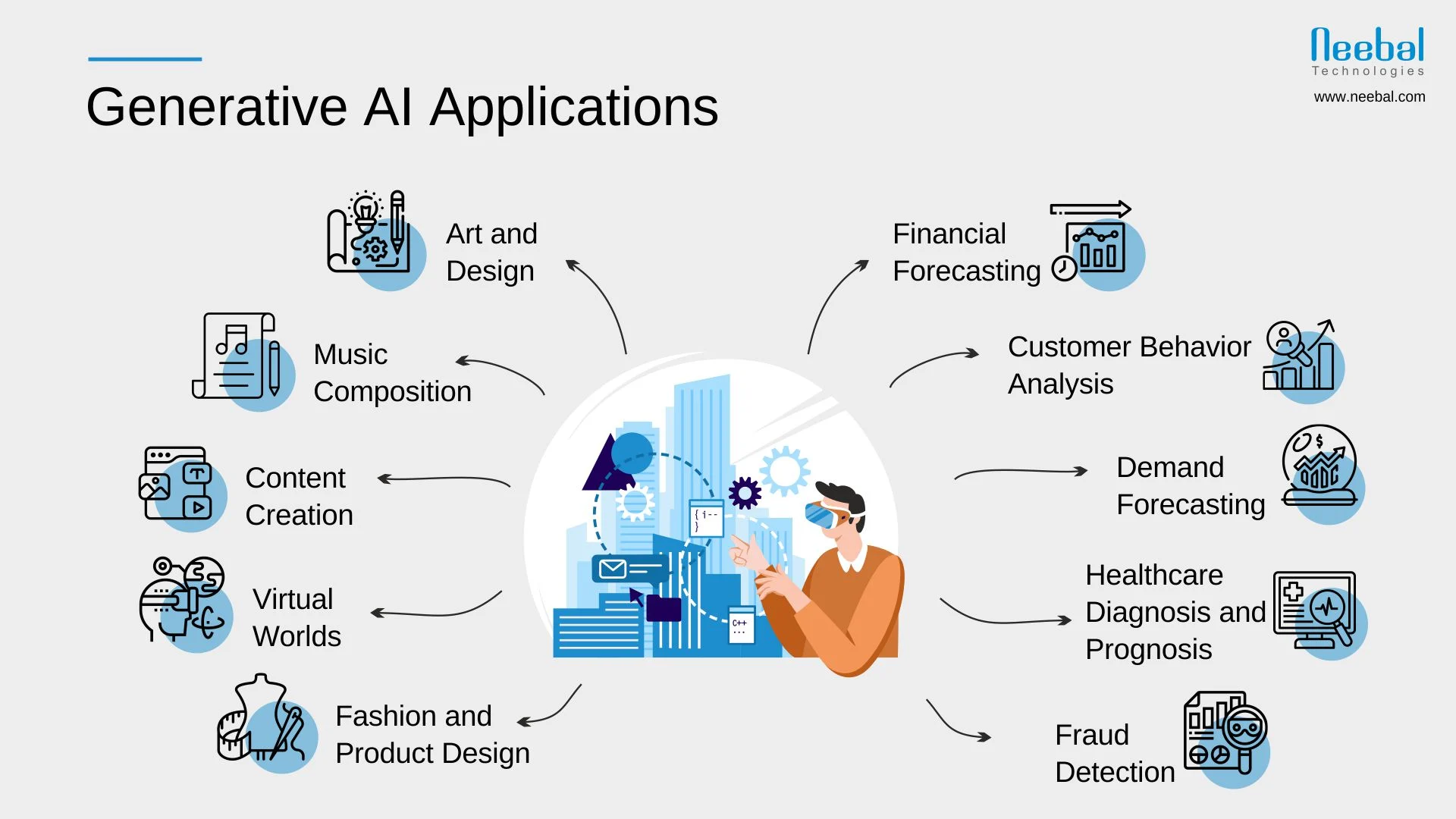
Generative AI for Business

Beyond Text and Images

Generative AI has evolved dramatically from its early text and image generation capabilities. In 2025, we're seeing sophisticated multimodal systems that can seamlessly work across text, images, audio, and video, creating coherent and contextually appropriate content across all these mediums.

Adobe's Generative Extend exemplifies this trend, using AI to instantly generate and expand video and audio clips based on simple prompts. This technology allows creators to extend scenes, add elements, or transform content with unprecedented ease and quality.

Interactive Generative Experiences

Perhaps most exciting is the emergence of generative virtual worlds and playgrounds that can turn static images into interactive environments. These systems allow users to not just view content but interact with it in meaningful ways, opening new possibilities for entertainment, education, and professional applications.

The business implications of these advancements are substantial:

  • Dramatic reduction in content creation time and costs
  • Personalization at scale across multiple media formats
  • New forms of customer engagement through interactive experiences
  • Rapid prototyping and iteration in product design

As these technologies continue to mature, we can expect them to become integral to how businesses communicate, create, and engage with their audiences.

Enterprise AI Evolution

Businesses are implementing AI platforms that meet enterprise needs for performance, profitability, and security.

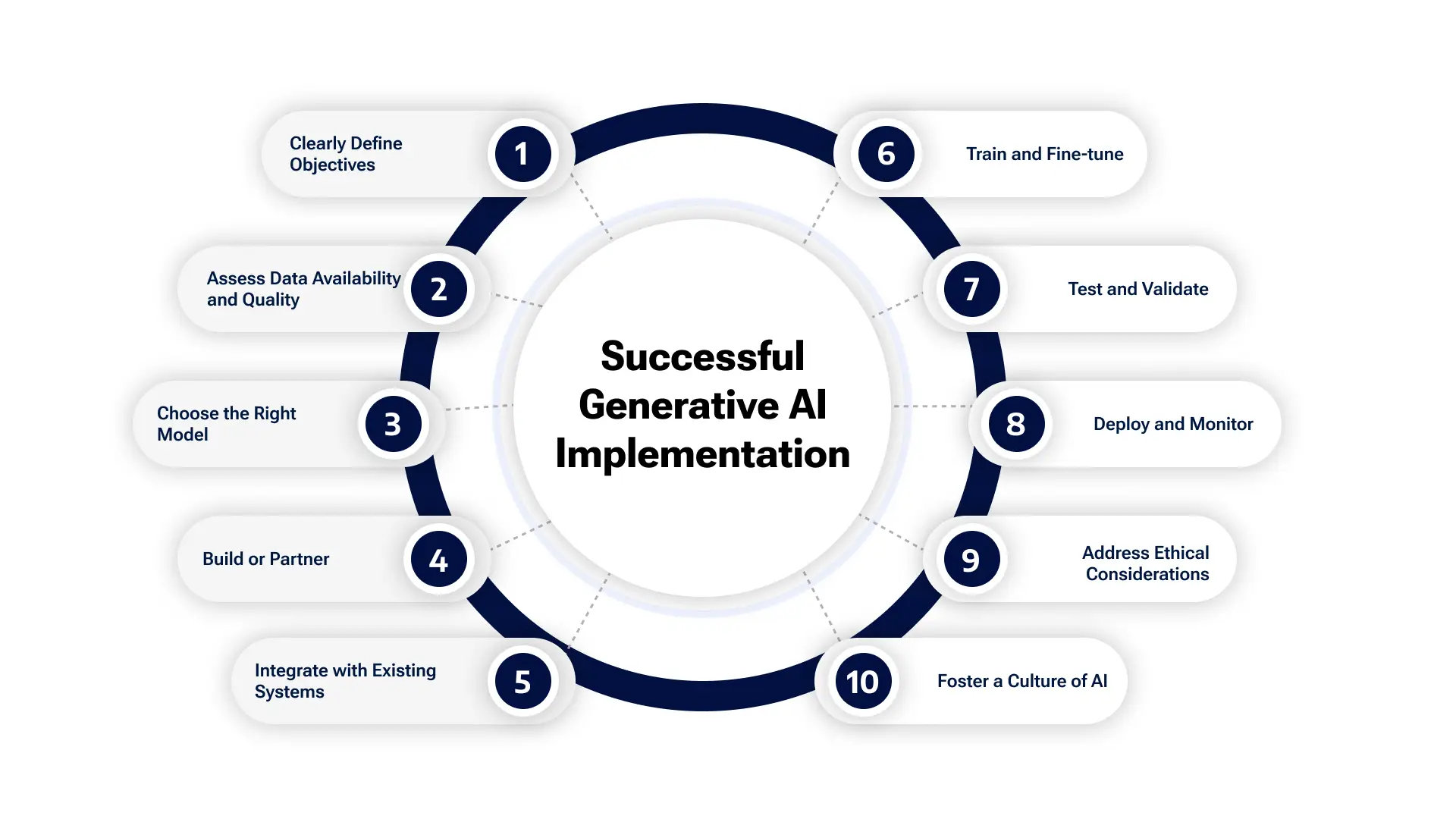
Enterprise AI Implementation Guide

From Experimentation to Integration

Enterprise AI has matured significantly, moving from experimental projects to deeply integrated systems that drive business value. Organizations are now focused on building comprehensive AI platforms that address enterprise requirements for performance, profitability, security, and compliance.

This evolution is characterized by several key developments:

  • Sophisticated systems to measure AI efficacy and ROI, ensuring that investments deliver tangible business outcomes
  • Cloud migrations and AI workloads becoming major revenue opportunities for technology providers
  • Development of custom silicon and specialized hardware optimized for AI tasks, improving performance while reducing costs
  • Integration of AI capabilities into existing enterprise systems rather than standalone applications

The Rise of Industry-Specific AI

Another significant trend is the development of AI solutions tailored to specific industry needs. Rather than generic AI platforms, businesses are increasingly adopting specialized systems designed for their particular challenges and opportunities.

These industry-specific solutions incorporate domain knowledge and best practices, accelerating implementation and improving outcomes. From healthcare diagnostic systems to financial risk assessment tools, these specialized AI applications are delivering value by addressing the unique requirements of different sectors.

AI for Scientific Discovery

AI tools are accelerating scientific research and enabling breakthroughs across disciplines.

AI for Scientific Discovery

Accelerating Research and Innovation

One of the most promising applications of advanced AI is in scientific discovery and research. AI tools are now capable of accelerating the pace of scientific innovation by analyzing vast datasets, identifying patterns, and even generating hypotheses that human researchers might overlook.

The impact of AI on scientific research is exemplified by breakthroughs like AlphaFold, which revolutionized protein folding prediction and has significant implications for drug discovery and understanding biological processes. Similar AI-driven advances are occurring across disciplines from materials science to climate research.

AI as a Scientific Collaborator

What's particularly notable about the current generation of scientific AI tools is that they're increasingly operating in ways similar to scientists themselves. They can:

  • Generate and test hypotheses systematically
  • Design and optimize experiments
  • Interpret results in the context of existing knowledge
  • Suggest new research directions based on findings

This evolution is supported by the development of new datasets and models specifically aimed at scientific discovery, creating a virtuous cycle of innovation where AI helps scientists make discoveries that in turn improve AI capabilities.

The implications for research productivity and breakthrough discoveries are profound, potentially accelerating solutions to some of humanity's most pressing challenges in health, energy, and sustainability.

AI Innovation Case Studies

Real-world examples of how cutting-edge AI is being applied to solve complex problems.

AI-Driven Medical Imaging

A study published in January 2025 demonstrated AI's real-world implementation in medical imaging, involving AI-assisted mammography screening of over 260,000 women. With AI support, radiologists increased breast cancer detection by 17.6% while lowering recall rates, demonstrating how AI can enhance diagnostic accuracy while improving efficiency.

Autonomous AI Security

CrowdStrike's Charlotte AI represents a breakthrough in autonomous security operations. This agentic AI system can independently analyze security data, identify threats, and take appropriate actions without human intervention. Early implementations have shown significant reductions in response time to security incidents and improved threat detection rates.

Generative AI in Product Design

A leading consumer electronics manufacturer implemented generative AI in their product design process, allowing designers to rapidly generate and iterate on concepts. This approach reduced the design cycle by 60% while increasing the number of viable concepts explored by over 300%, leading to more innovative and user-friendly products.

The Future of AI: Emerging Trends to Watch

As AI continues to evolve, several emerging trends are poised to shape its future development and impact. These include advances in quantum computing for AI, the integration of AI with robotics for physical world interaction, and the development of more energy-efficient AI systems to address sustainability concerns.

Perhaps most significantly, we're seeing early signs of AI systems that can explain their reasoning and decisions in human-understandable terms, addressing one of the key limitations of current AI technology. This "explainable AI" will be crucial for building trust and enabling wider adoption in sensitive domains like healthcare and finance.

Explore AI Business Solutions